
Mercury Free Dentistry

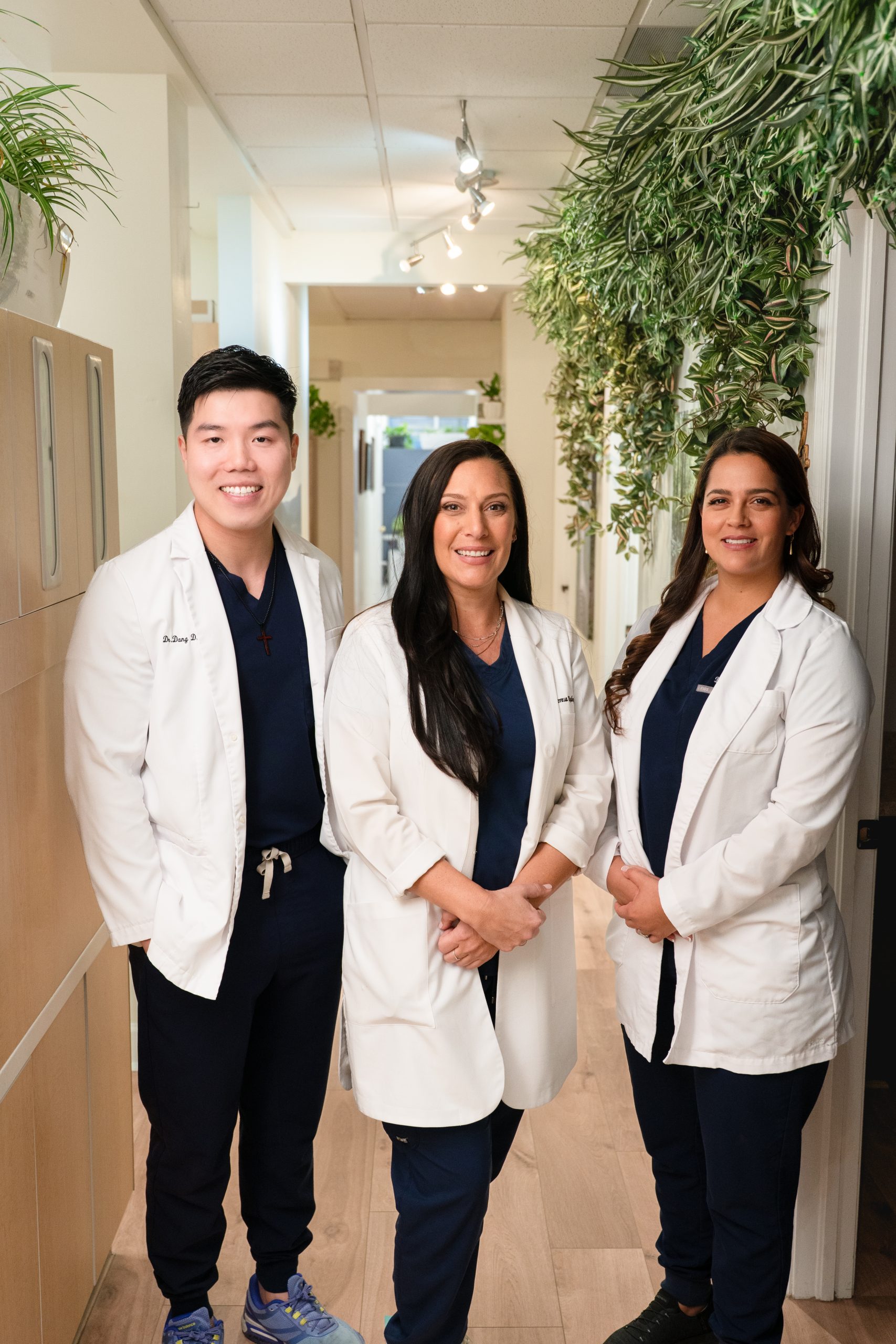
Dr. Theresa Rodeghero, DDS and Clearwater Family Dental
are proud to offer the safe removal of Amalgam Mercury Fillings.
Mercury Free Dentistry: Building a Healthier Foundation for Your Smile
Mercury-free dentistry represents a deliberate choice to protect both oral and systemic health by eliminating the placement of new mercury-containing restorations. In a mercury-free practice, every new filling, crown, or restorative material is selected from modern alternatives that contain no elemental mercury. This approach prioritizes long-term biocompatibility, reduced toxic load, and materials that work in harmony with the body’s natural systems.
While many people still carry older amalgam fillings placed decades ago, the decision to stop introducing new mercury into the mouth is one of the most straightforward steps a patient can take toward safer dental care. Mercury-free dentistry is not simply the absence of one material; it is a broader commitment to thoughtful, science-informed restorative choices that support whole-body wellness.
Understanding Mercury-Free Dentistry
Traditional dental amalgam is a mixture that typically includes roughly half elemental mercury combined with other metals. Although it has a long history of clinical use, it continuously releases small amounts of mercury vapor under normal conditions such as chewing, grinding, or temperature changes in the mouth. For patients who prefer to minimize cumulative exposure, avoiding new amalgam placements is a logical and proactive decision.
A mercury-free office never places amalgam fillings. Instead, clinicians rely on a range of contemporary materials—composite resins, ceramics, glass ionomers, and other advanced restoratives—that bond to tooth structure, often require less removal of healthy enamel and dentin, and eliminate ongoing mercury vapor release from newly placed restorations. These materials also offer aesthetic advantages, blending naturally with the surrounding tooth for a more seamless appearance.
The philosophy extends beyond the filling itself. Mercury-free practices typically evaluate every material that enters the mouth with an eye toward biocompatibility, longevity, and the individual patient’s health profile. The goal is not only to restore function and appearance but to do so in a way that does not add unnecessary chemical or metallic burden.
Why Choosing Mercury-Free Care Matters
The mouth is not isolated from the rest of the body. Materials placed in teeth can influence local inflammation, immune response, and, over time, systemic load. By selecting mercury-free restorations, patients reduce one potential source of ongoing low-level exposure. Many individuals report greater peace of mind knowing that future dental work will not introduce additional mercury.
Beyond the mercury question, modern alternatives frequently allow for more conservative preparation. Traditional amalgam often required undercuts and greater removal of tooth structure for mechanical retention. Bonded materials can preserve more of the natural tooth, supporting structural integrity and potentially extending the lifespan of the restoration and the tooth itself.
Patients with chemical sensitivities, autoimmune concerns, or a strong preference for preventive and integrative approaches often find mercury-free dentistry aligns closely with their broader health values. The same careful material selection that avoids mercury frequently leads to greater attention to other potential irritants, creating a more individualized restorative experience.
Modern Alternatives That Support Oral Health
Today’s restorative options offer strength, durability, and aesthetics without mercury. Composite resins can be matched precisely to natural tooth color and are placed in layers that bond chemically to the tooth. Ceramic materials, including various forms of porcelain and zirconia, provide excellent longevity and biocompatibility for larger restorations such as inlays, onlays, and crowns. Other glass-based materials release beneficial ions that can support remineralization in certain clinical situations.
Material selection is never one-size-fits-all. Factors such as the size and location of the cavity, the patient’s bite forces, aesthetic priorities, and any known sensitivities all influence the final choice. In a mercury-free practice, these decisions are made transparently, with discussion of the advantages and limitations of each option so patients can participate meaningfully in their care.
Who Benefits Most from a Mercury-Free Approach
Anyone seeking new restorative work can benefit from mercury-free materials. The approach is especially relevant for:
– Patients who already prioritize reducing environmental and dietary toxic exposures
– Individuals with a history of sensitivities or chronic health concerns
– Parents seeking conservative, low-toxicity options for children’s dental care
– Those who simply prefer modern, tooth-colored restorations over traditional silver fillings
Even patients who currently have older amalgams can adopt a mercury-free philosophy going forward. New cavities or replacements can be completed without introducing additional mercury, while existing amalgams can be addressed through carefully managed removal when clinically appropriate.
How Mercury-Free Dentistry Complements Safe Amalgam Management
Mercury-free care focuses on prevention of new exposure. For patients who already have amalgam fillings and wish to have them replaced, specialized safe-removal protocols become relevant. Those detailed protective measures—designed to minimize vapor and particulate release during the removal process—are covered thoroughly on our Safe Amalgam Removal page.
Together, the two approaches form a complete continuum: stop placing new mercury, and, when existing amalgams need to be addressed, remove them with the highest level of protection available. Patients can begin with mercury-free restorative care for any new needs and explore safe removal options when the time is right for existing fillings.
What to Expect in a Mercury-Free Practice
Visits emphasize education, conservative treatment planning, and clear communication about material choices. Diagnostic tools help identify early decay so that intervention can remain as minimally invasive as possible. When restoration is needed, the discussion includes the recommended material, its composition, expected longevity, and how it supports both function and biocompatibility.
Preventive care remains central. Good daily hygiene, dietary awareness, and regular professional cleanings continue to form the foundation of oral health, reducing the need for restorative work altogether. When treatment is required, the mercury-free standard ensures that every new material placed aligns with the practice’s commitment to safer, more body-friendly dentistry.
Taking the Next Step Toward Mercury-Free Care
Choosing mercury-free dentistry is a practical way to support long-term oral and systemic wellness. It reflects a preference for materials that restore teeth without introducing unnecessary metallic burden and that respect the connection between the mouth and the rest of the body.
If you are seeking new restorative work or simply want to understand how a mercury-free approach can fit into your overall health plan, we invite you to contact our office or request an appointment. Our team is ready to discuss your current dental needs, review available material options, and help you make informed decisions.
For those interested in the science and standards behind biocompatible and mercury-conscious dentistry, the International Academy of Oral Medicine & Toxicology (IAOMT) offers extensive independent resources.
Mercury-free dentistry is more than a material choice—it is a foundational commitment to care that prioritizes both the health of your teeth and the health of your whole body. We look forward to helping you build that healthier foundation.
NEW PATIENT OFFERS:
Free Second Opinion with X-Rays ($195 value)
No Cost Consultations
$10 Emergency Exam with X-Rays
Some questions to ask when looking for a mercury free-mercury safe dentist:
Is your office mercury-free?
Yes, this means we do not place NEW mercury amalgams.
Is your office mercury safe? Where did you get your training in protocol of safe mercury removal?
We are mercury safe because we follow the protocol of the International Academy of Oral Medicine & Toxicology (IAOMT) where the doctor was trained.
What precautions do you use when removing mercury amalgam fillings?
We use a rubber dam, high speed suction, quarter the amalgam in large pieces, mouth rinse, additionally we use a mercury vapor collector and nose pieces with breathing air.
Do you provide compatibility testing of materials that may be used in my mouth?
We recommend patients who are intolerant of many elements to have a Clifford test, which outlines what the patient’s body can tolerate without experiencing a reaction. Many of our patients also consult their primary care physicians who often do blood testing or muscle testing.
Can the office be latex-free for those that require it?
Many people have allergic reactions to latex gloves and cleaning cups, we are completely latex free.
Do you do or recommend root canal therapy?
It is now known that root canals (dead teeth) can be extremely burdensome on the immune system. It is difficult to completely sterilize a dead tooth or prevent the bacterial growth in the dentinal tubules. When a patient, after becoming educated, still decides to do a root canal we use ozone and a laser to help eliminate remaining bacteria in the root and tubules.
Does the office use fluoride?
We do not routinely use fluoride.
For more information please contact our office or request an appointment online!
For further research on biocompatible dentistry visit this link: International Academy of Oral Medicine & Toxicology (IAOMT)
Safe Mercury Removal Is Important For Your Continued Health, Call Now!
Safe Amalgam Dentistry: A Mercury-Free, Biocompatible Approach to Lifelong Oral Health
Choosing a dentist is one of the most important decisions you can make for your overall wellness. For patients who prioritize biocompatibility, minimize toxic exposures, and seek care that supports the body’s natural systems, safe amalgam dentistry offers a thoughtful alternative to conventional practices. Mercury-free and mercury-safe dentistry focuses on preventing the placement of new mercury amalgam fillings while carefully removing existing ones using protocols designed to protect both patient and practitioner.
This page outlines the key questions informed patients ask, the science-informed protocols we follow, and the comprehensive approach we take to help you maintain a healthier mouth and body. Whether you are dealing with old amalgam fillings, sensitivity to dental materials, or simply want preventive care free from unnecessary chemicals, the information below will help you understand what true mercury-safe dentistry looks like in practice.
Why Mercury-Free and Mercury-Safe Dentistry Matters
Dental amalgam has been used for more than 150 years. It is a mixture that typically contains approximately 50% elemental mercury along with silver, tin, copper, and other metals. While durable and relatively inexpensive, amalgam releases mercury vapor, especially during placement, chewing, grinding, or removal. Mercury is a known neurotoxin and can accumulate in the body over time.
A mercury-free office never places new amalgam fillings. Instead, we use modern, tooth-colored restorative materials that bond to the tooth structure, require less removal of healthy tooth, and eliminate ongoing mercury exposure from new restorations.
Mercury-safe dentistry goes further. It means the practice follows strict protocols to minimize exposure when existing amalgam fillings must be removed. Simply drilling out an old filling without protective measures can release significant amounts of mercury vapor and particulate matter. The International Academy of Oral Medicine & Toxicology (IAOMT) has developed evidence-based guidelines for safe removal. Our doctor completed formal training through the IAOMT, and our office adheres to these standards every day.
Patients who seek mercury-safe care often report improved comfort knowing that every step—from the air they breathe to the materials placed in their mouths—has been chosen with biocompatibility and reduced toxic load in mind.
Questions to Ask When Looking for a Mercury-Free, Mercury-Safe Dentist
Informed patients ask specific questions. Here are the most important ones, along with the answers that define our practice.
Is your office mercury-free?
Yes. We do not place new mercury amalgam fillings. All new restorations are completed with carefully selected composite resins, ceramics, or other biocompatible materials chosen for strength, aesthetics, and compatibility with the individual patient.
Is your office mercury-safe? Where did you receive training in safe mercury removal protocols?
We are mercury-safe because we follow the IAOMT protocol for safe amalgam removal. Our doctor received specialized training through the International Academy of Oral Medicine & Toxicology. This training covers not only the clinical steps of removal but also the science of mercury vapor dynamics, protective equipment, and the importance of reducing exposure for both patients and the dental team.
What precautions do you use when removing mercury amalgam fillings?
Safe removal requires multiple overlapping layers of protection. We use a rubber dam to isolate the tooth and prevent debris from entering the mouth or being swallowed. High-volume suction continuously removes vapor and particles at the source. We section the amalgam into larger pieces rather than pulverizing it, which reduces the surface area that can generate vapor. Patients rinse with a solution that helps bind residual particles.
In addition, we employ a dedicated mercury vapor collector and provide patients with nasal breathing devices that deliver clean air, so they are not inhaling the air immediately around the treatment site. These combined measures significantly reduce exposure compared with conventional drilling techniques. Every member of the clinical team is also protected with appropriate barriers and ventilation.
Do you provide compatibility testing of materials that may be used in my mouth?
Many patients experience sensitivities or reactions to certain metals, resins, or other dental materials. For individuals who have a history of intolerances or chemical sensitivities, we recommend the Clifford Materials Reactivity Testing. This laboratory analysis helps identify which materials the patient’s immune system is more likely to tolerate without adverse reaction.
In addition, many of our patients work with their primary care physicians or functional medicine practitioners who may order blood testing, muscle testing, or other assessments. We coordinate with these providers whenever possible so that material choices support the patient’s broader health picture. The goal is always to select restorations that the body can accept comfortably for the long term.
Can the office be latex-free for those who require it?
Yes. Many people experience allergic reactions to latex gloves, polishing cups, or other dental products. Our entire office is latex-free. We use non-latex alternatives for gloves, barriers, and any materials that contact the patient. This simple but important policy prevents unnecessary allergic reactions and creates a safer environment for sensitive individuals.
Do you perform or recommend root canal therapy?
Root canal treatment involves removing the living pulp from a tooth, leaving a non-vital structure. It is now widely recognized in biological dentistry circles that a dead tooth can place a chronic burden on the immune system. Completely sterilizing the complex network of dentinal tubules is extremely difficult, and residual bacteria or their byproducts can persist.
When a patient, after receiving thorough education about the risks and alternatives, still chooses to proceed with a root canal, we take additional steps to improve outcomes. We incorporate ozone therapy and laser disinfection to help reduce remaining bacteria within the root canal system and tubules. These adjunctive technologies represent our commitment to minimizing residual infection while respecting patient autonomy. In many cases we also discuss extraction and replacement options when that path better supports the patient’s overall health goals.
The Importance of Biocompatible Materials and Holistic Considerations
Safe amalgam dentistry is about more than just removing mercury. It is about creating a mouth environment that does not continually challenge the immune or nervous systems. Modern restorative materials vary widely in composition. Some contain bisphenol-A derivatives, certain metals, or other compounds that sensitive individuals may not tolerate well. Compatibility testing and careful material selection help reduce the chance of inflammation, delayed healing, or systemic reactions.
Patients who have already undergone safe amalgam removal often continue with us for ongoing care because they value the consistent application of these principles. Preventive visits focus on early detection, conservative treatment, and education about nutrition, oral microbiome balance, and lifestyle factors that influence dental health.
What to Expect During a Safe Mercury Removal Appointment
A typical safe removal appointment begins with a thorough review of your medical and dental history, including any known sensitivities. We discuss the condition of existing amalgams, the rationale for removal if indicated, and the protective measures we will use.
During the procedure itself you will notice the rubber dam, the specialized suction, the vapor collector, and the clean-air breathing apparatus. The clinical team works methodically, sectioning the amalgam carefully and rinsing frequently. After removal, the tooth is restored with a material selected for your individual needs. Post-operative instructions include guidance on supporting detoxification pathways through nutrition and hydration, always in coordination with your other healthcare providers when appropriate.
Continuing Your Research and Taking the Next Step
For patients who want to explore the science behind biological and mercury-safe dentistry more deeply, the International Academy of Oral Medicine & Toxicology (IAOMT) maintains extensive resources, position papers, and research summaries. Visiting their website provides independent information that can help you evaluate any dental practice’s approach.
Safe mercury removal is an important step many patients take to reduce their body’s overall toxic burden. Combined with mercury-free restorative practices, latex-free operations, thoughtful material selection, and a cautious stance on procedures such as root canals and routine fluoride use, this philosophy supports long-term oral and systemic health.
If you are looking for a dental home that prioritizes these principles, we invite you to contact our office or request an appointment online. Our team is ready to answer additional questions, review your current dental situation, and help you determine the most appropriate next steps for your health goals.
Your mouth is an integral part of your whole-body health. Choosing mercury-free and mercury-safe care is one practical way to honor that connection. We look forward to partnering with you on that journey.
CLEARWATER FAMILY DENTAL
Whatever your dental needs might be, we are here to help. If you find you need an emergency dentist near me, we are your team. If you are having an emergency dental situation, we are available to help most dental emergencies on very short notice. Just give us a call or fill out a form and we can help coordinate an appointment at the earliest time possible. We at Clearwater Family Dental – qualified emergency dentist near me – have been happily serving the great citizens of Clearwater Florida for many years.
Contact Us Today
Free Consultation
Items with an asterisk (*) are required.
Emergency Dentists Near Me
We understand the nature of most dental emergencies. When a dental emergency arrives, it is normally very unexpected and creating a lot of pain for whomever it has landed upon. So we pride ourselves in helping most dental emergencies as quickly as we possibly can.